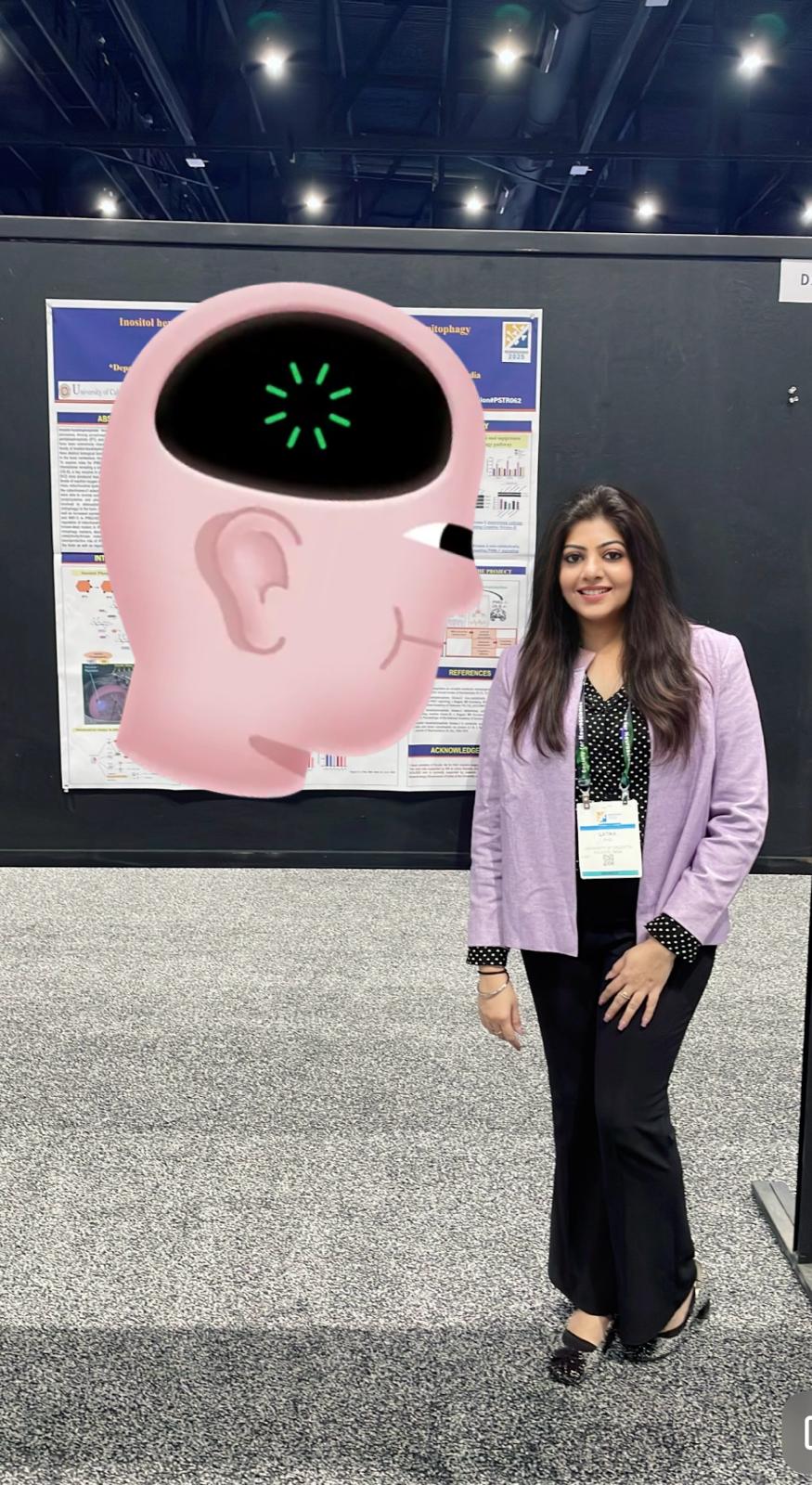
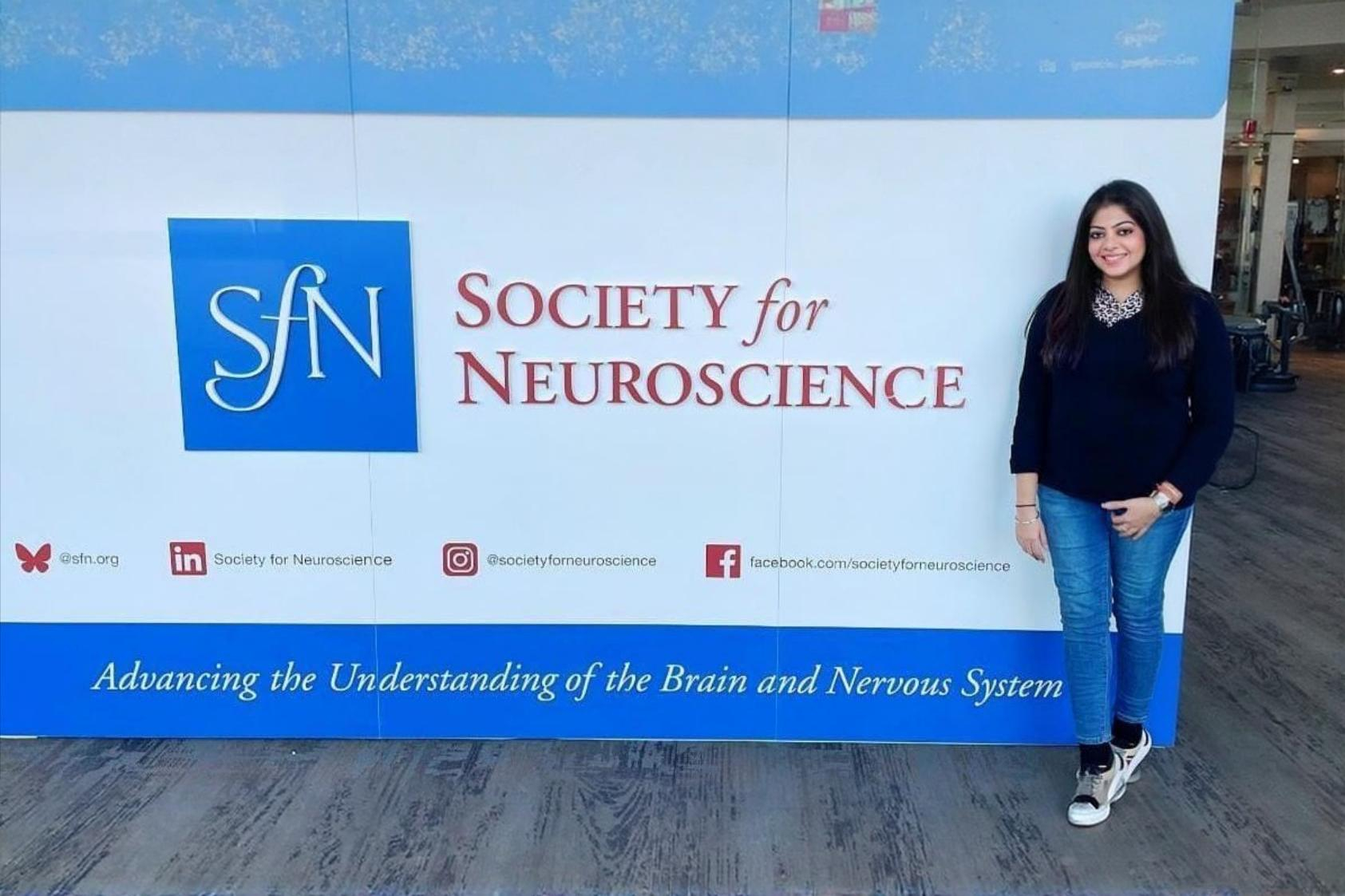
Dr. Latika Nagpal is a skilled neuroscientist and molecular biotechnologist whose work bridges molecular innovation with translational neuroscience. Currently a DBT-Ramalingaswami Faculty Fellow at the University of Calcutta, her career reflects a commitment to decoding complex redox signaling pathways that govern brain health and disease.
Pre-doctoral and Doctoral Research
Her academic journey began at the University of Calcutta, where she earned top honors in Microbiology and received the university gold medal. She went on to pursue her doctoral research in Biotechnology under the mentorship of Prof. Koustubh Panda, where she developed highly selective, non-toxic inhibitors targeting inducible nitric oxide synthase (iNOS)—an enzyme linked to various inflammatory and neurodegenerative conditions. Her innovation led to the creation of a patented in-vivo probe for real-time monitoring of iNOS, recognized among Asia's top 10 biotech innovations at the 2014 BioAsia Conference. Her doctoral work also included a Fulbright-Nehru Doctoral Fellowship at the Cleveland Clinic, USA, where she deepened her expertise in NOS enzymology and redox biochemistry.
Dr. Latika Nagpal's doctoral research centered on developing novel therapeutic strategies targeting inducible nitric oxide synthase (iNOS), a key enzyme implicated in a variety of inflammatory and neurodegenerative diseases. Conducted at the University of Calcutta under the mentorship of Prof. Koustubh Panda, her work led to the identification and mechanistic characterization of highly selective, non-toxic pyrimidine-imidazole-based iNOS inhibitors. This work culminated in a publication in The Journal of Biological Chemistry and laid the foundation for a patented in-vivo probe capable of real-time monitoring of iNOS activity in living systems—an innovation recognized as one of Asia's top ten biotech breakthroughs at the 2014 BioAsia Conference.
As a Fulbright-Nehru Doctoral Fellow, she was trained at the Cleveland Clinic Lerner Research Institute with Prof. Dennis Stuehr, gaining deep insights into NOS enzymology and redox biochemistry. Her research also explored the differential interaction of calmodulin with various NOS isoforms, shedding light on isoform-specific activity regulation.
Technically, her Ph.D. involved a wide repertoire of molecular biology and biophysical techniques—ranging from site-directed mutagenesis, recombinant protein purification, and spectroscopic assays, to advanced tools like FPLC, HPLC, ITC, DSC, SPR, MALDI-TOF, LC-MS/MS, confocal microscopy, and in-vivo animal imaging using the IVIS system.
Postdoctoral Research
During her postdoctoral research at Johns Hopkins University School of Medicine, Dr. Nagpal shifted focus to the functional roles of inositol hexakisphosphate kinase-2 (IP6K2) in neuronal physiology. Her work uncovered two major protein interactions—first with protein 4.1N, regulating cerebellar architecture and motor coordination, and second with creatine kinase-B (CK-B), revealing a critical role in mitochondrial integrity and synaptic function. These studies, published in The Journal of Neuroscience and PNAS, opened new avenues in understanding neurodegeneration and laid the foundation for her current work on reversing ischemic phenotypes through redox modulation.
Her postdoctoral tenure at the Solomon H. Snyder Department of Neuroscience, Johns Hopkins University School of Medicine, Dr. Latika Nagpal made significant strides in understanding the role of inositol hexakisphosphate kinase-2 (IP6K2) in brain function and neurodegeneration. Working under the mentorship of Prof. Solomon H. Snyder, she uncovered how IP6K2 interacts with key neuronal proteins to influence mitochondrial health, synaptic stability, and locomotor control.
Her first major breakthrough revealed that IP6K2 regulates cerebellar granule cells and Purkinje cell morphology through its interaction with protein 4.1N—findings that were published in The Journal of Neuroscience and presented at the Society for Neuroscience conference.
She then identified Creatine Kinase-B (CK-B) as a novel IP6K2 partner, demonstrating how the loss of this interaction disrupts mitochondrial dynamics and contributes to ischemia-like neuronal damage. These discoveries—published in PNAS (2021 and 2022)—provided new insights into redox signaling and mitophagy in the context of neurodegeneration.
With these contributions, Dr. Nagpal not only established foundational knowledge about IP6K2's neuroprotective roles but also developed mouse models and in-vitro systems to explore therapeutic reversal of oxidative damage—laying the groundwork for her current independent research program on brain ischemia and redox biology.
With multiple patents, high-impact publications, and an expanding research program, Dr. Nagpal continues to push boundaries in the field of neurobiology, with a strong focus on translational relevance and mentoring the next generation of scientists.


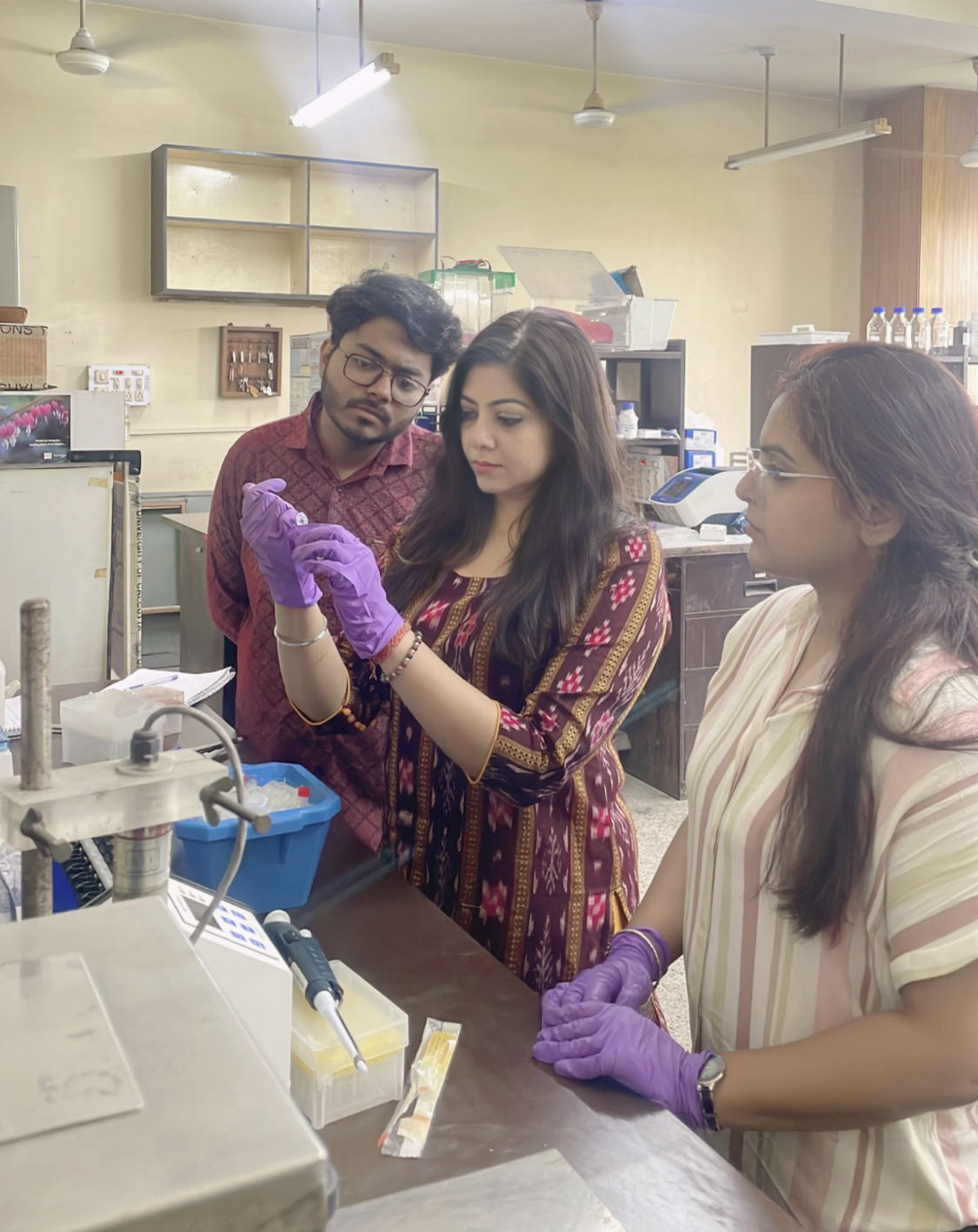
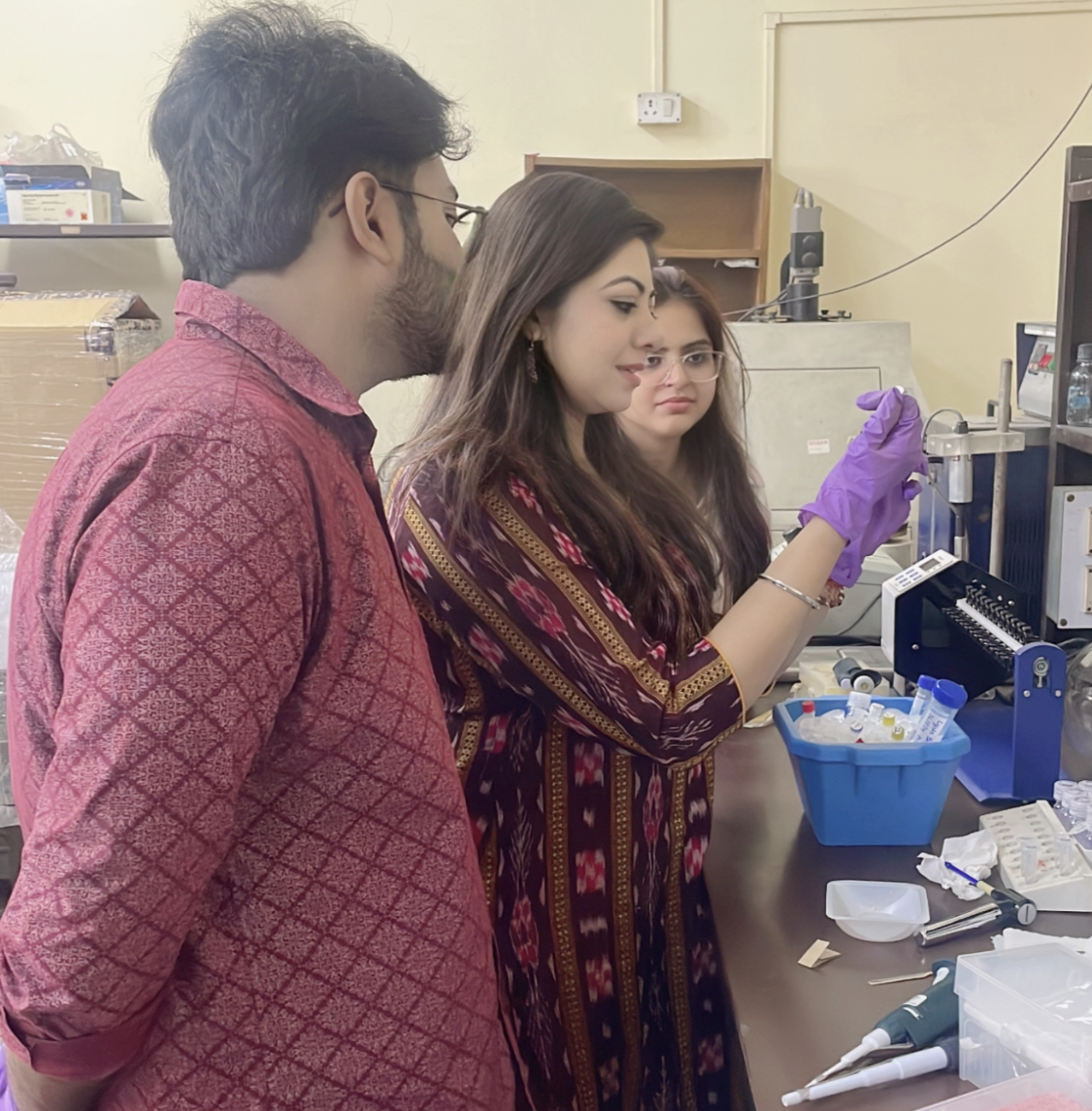
.jpg)
.jpg)
.jpg)
.jpg)
.jpg)
.jpg)
.jpg)
.jpg)